

The evolution of gambling through the ages a historical perspective
Ancient Beginnings of Gambling
The roots of gambling trace back to ancient civilizations, where various forms of chance-based games emerged. Archaeological findings suggest that the Chinese were among the first to play games of chance as early as 2300 BC. This practice included the use of tiles that were likely employed in games of chance, highlighting the innate human attraction to gambling. Many enthusiasts now seek out platforms like Jet4bet Casino, where they can experience a modern twist on these ancient traditions.
In these early societies, gambling was often tied to religious rituals and community events. It served not only as entertainment but also as a way to forge social bonds and alliances. The earliest dice, made from bones or stones, have been found in various archaeological digs, symbolizing the universality of gambling across cultures and time periods.
The Middle Ages: Regulation and Morality
The Middle Ages brought a complex relationship between gambling and society, as moral and religious perspectives began to shape attitudes towards gaming. In Europe, gambling faced scrutiny from religious authorities, with many deeming it sinful or immoral. Laws were enacted to regulate or outright ban gambling activities, leading to a rise in underground betting and private games. Despite these restrictions, the allure of gambling persisted, with nobles often partaking in high-stakes games behind closed doors.
This era also witnessed the emergence of gaming houses, which later evolved into the casinos we recognize today. These establishments, often found in Italy, were places where individuals gathered to indulge in various games, reflecting a shift towards more organized forms of gambling. The increased popularity during this time laid the groundwork for gambling’s eventual acceptance in society.
Renaissance and the Birth of Modern Gambling
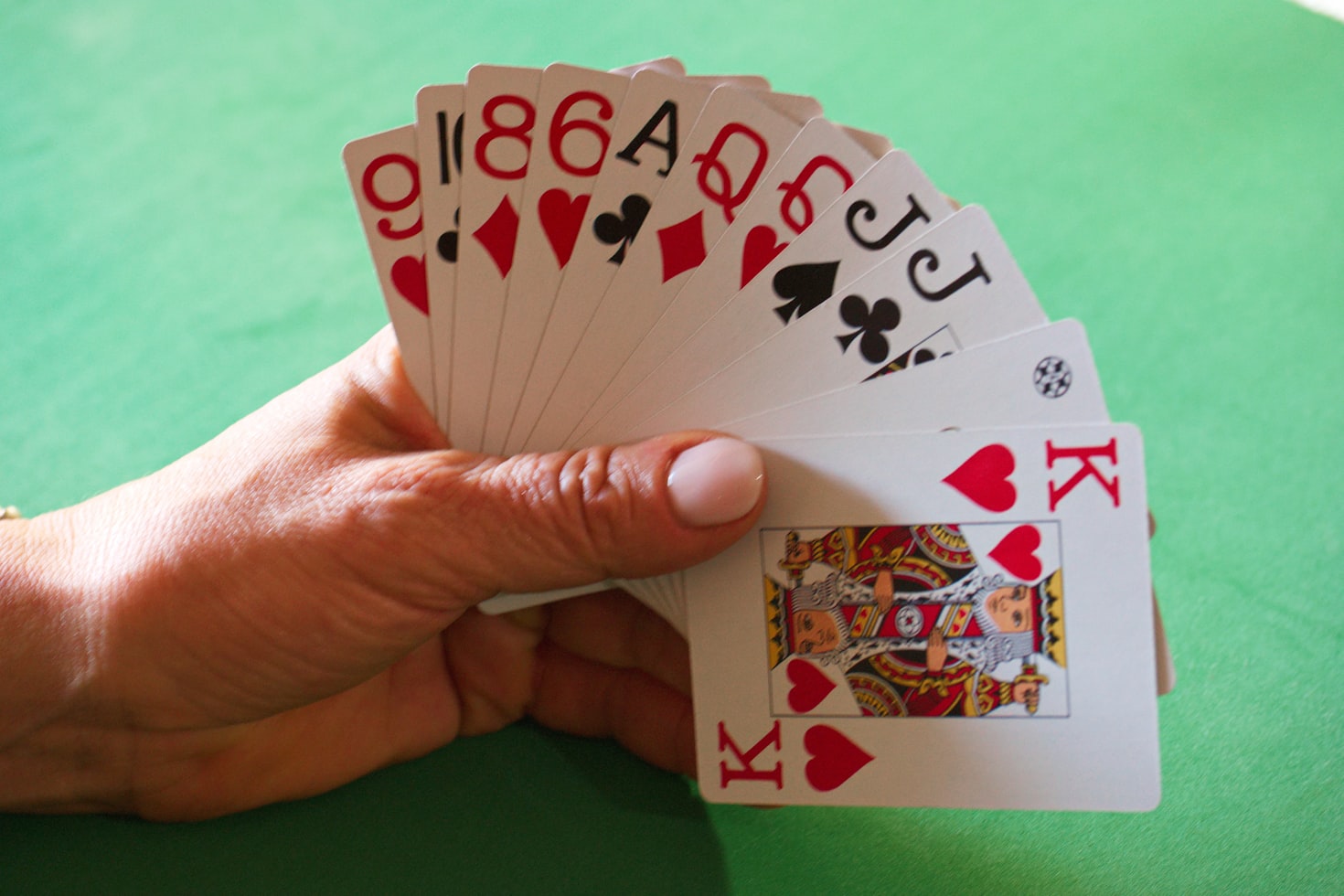
The Renaissance marked a turning point in the history of gambling, as cultural and technological advancements reshaped the landscape. The invention of printing in the 15th century allowed for the mass production of playing cards, making them accessible to a broader audience. This period saw the establishment of official gambling regulations, as governments began to recognize the potential tax revenue from legalized betting activities.
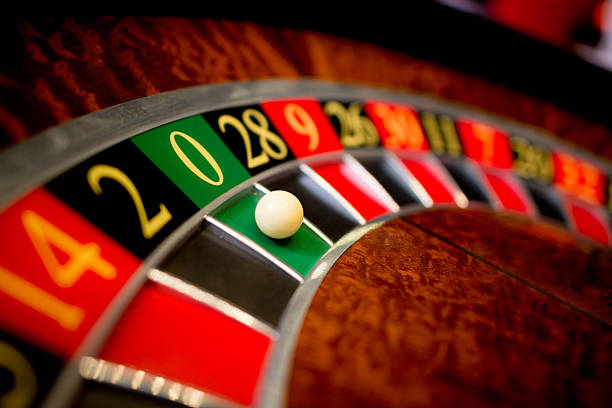
With the establishment of state-sponsored lotteries in the late 16th century, gambling transitioned from a morally questionable pastime to a legitimate source of revenue for governments. This shift contributed to a more structured gambling environment, leading to the creation of the first official casinos in the 17th century, especially in Venice. The surge in popularity of various games, including roulette and baccarat, marked the beginning of modern gambling as we know it.
The 20th Century: Commercialization and Globalization
The 20th century heralded significant changes in the gambling landscape, characterized by commercialization and globalization. The establishment of Las Vegas in the mid-20th century transformed gambling into a massive entertainment industry, drawing visitors from around the world. The iconic Las Vegas Strip became synonymous with glitz, glamour, and the thrill of high-stakes gaming.
Simultaneously, the advent of online gambling in the late 1990s introduced a new era of accessibility. Virtual casinos emerged, allowing players to engage in betting activities from the comfort of their homes. This technological revolution not only expanded the audience for gambling but also raised important questions regarding regulation and responsible gaming, prompting governments worldwide to rethink their approaches to gambling legislation.
Understanding Modern Gambling and Its Future
Today, gambling encompasses a wide range of activities, from traditional casinos to online platforms and sports betting. The industry continues to evolve, influenced by technological advancements and changing societal attitudes. As gambling becomes more integrated into mainstream culture, discussions surrounding its impacts, regulation, and responsible gaming practices have become increasingly crucial.
For those interested in the historical journey of gambling, our website offers extensive resources exploring the intricate relationship between society and this age-old pastime. By delving into the evolution of gambling, visitors can gain insights into its cultural significance and future trajectory in an ever-changing world.
